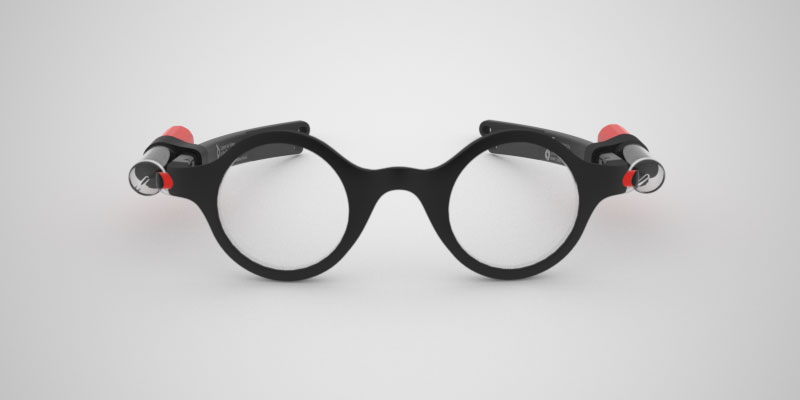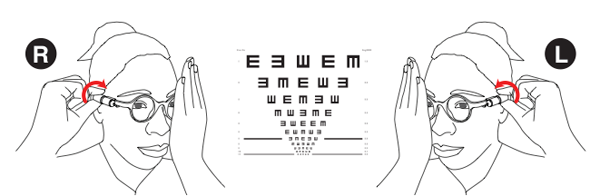











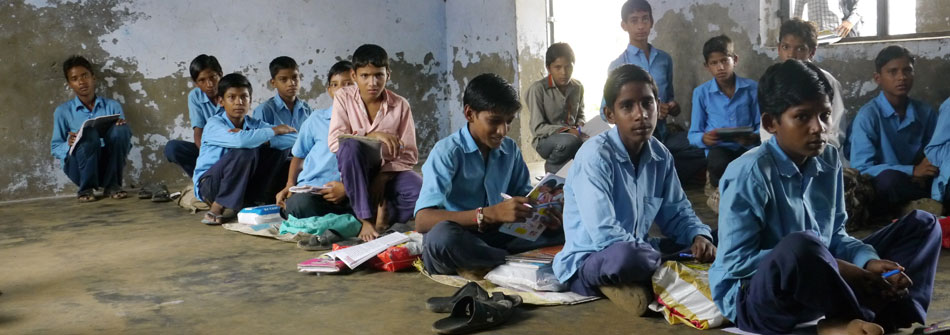
Billions of people around the world suffer from poor vision as a result of refractive error, which limits their ability to live a normal and productive life. In rich countries refractive error is readily corrected by corrective eyeglasses or contact lenses, but in developing countries eyeglasses are primarily a luxury product available in urban areas.
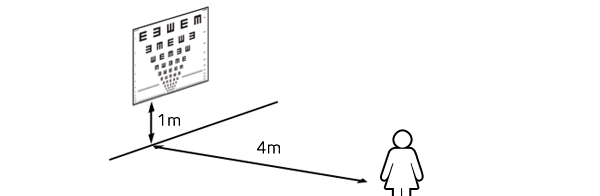
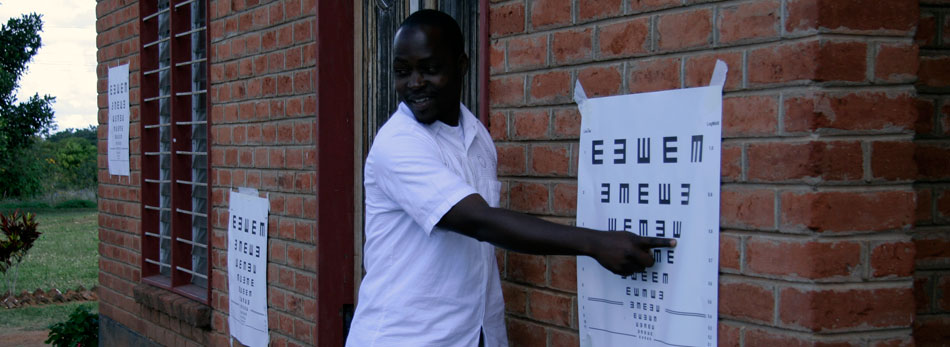
The problem of poor vision is particularly important in young people, who without appropriate correction struggle to see the blackboard in the classroom. This means that they can have great difficulty learning at school, which has an untold impact on their education, their social participation, their overall quality of life, and ultimately their economic potential as individuals, and that of their communities.
Studies of the economic impact of vision correction have been completed for adults, and show that it is substantial. A study by AMD Alliance International reported a total global cost of blindness and poor vision of nearly $3trn in 2010 (including all indirect costs), while a study by VisionSpring and the William Davidson Institute in India estimates that providing reading glasses can improve worker productivity by 35%, and deliver $381 in increased earnings over two years.
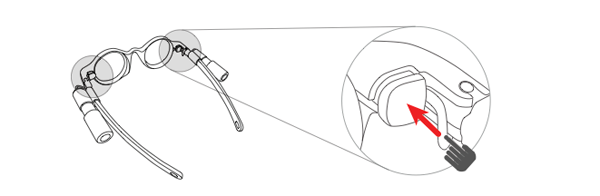
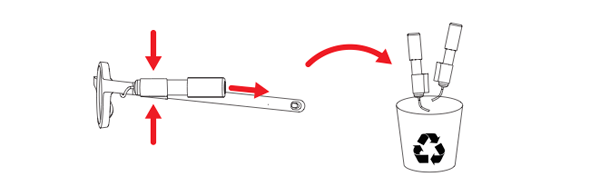
The Centre for Vision in the Developing World (CVDW) is based in Oxford, UK, and was founded to study the clinical and practical issues in providing vision correction in the developing world. It has a particular focus on self-refraction, and was founded by Professor Joshua Silver, inventor of the Adspecs, the world's first universal self-adjustable eyeglasses.
In our first phase, we aim to distribute 50,000 glasses to nearsighted 12-18 year olds through innovative schools-based programmes, followed by a larger scale-up worldwide. Our long-term goal is to ensure that all young people who would benefit from vision correction have access to a pair of glasses, thereby improving their education and quality of life, and giving them the ability to contribute fully to the development of their communities.
For more information on the problem, the new glasses and our plans, please keep exploring our website.
So when the Child Self-Refraction Study results confirmed that children aged 12-18 could accurately use self-adjustable glasses, we knew where to look for support for the next stage of our work.
By working with a global leader in silicon-based technology, CVDW has access to some of the best minds and processes available, and we are excited to be working with a company so committed to supporting vision correction in the developing world.
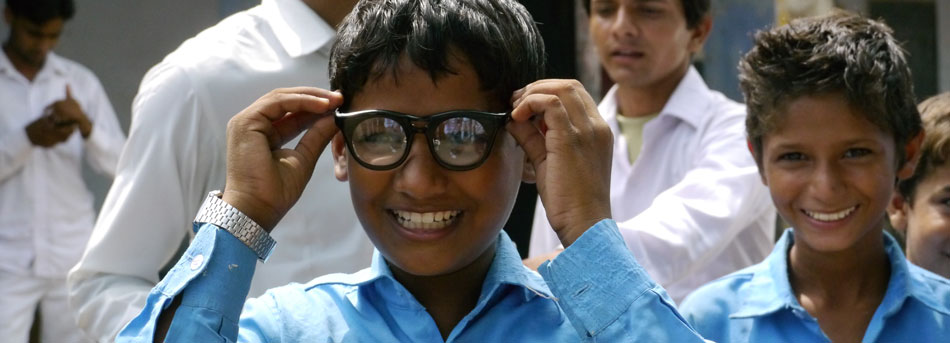
You can also play your part by visiting our Facebook page or following us on Twitter to keep up to date with our latest news.
European Patent Office will donate 25 cents to our Child Vision programme for every vote cast in this year's Popular Prize at the European Inventor Award. Vote now!
The Centre for Vision in the Developing World's Child Vision glasses win the 'socially responsible design' category at Icon Magazine's annual awards ceremony.
The Centre for Vision in the Developing World's Child Vision glasses have won the visitor vote at the Design Museum's Designs of the Year Awards.
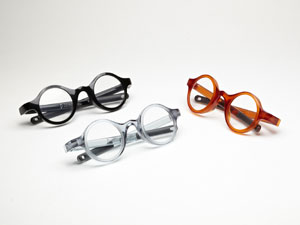
The Centre for Vision in the Developing World's Child Vision glasses have been nominated for the Design Museum's Designs of the Year Awards, in the 'product' category. Come and see the new glasses in the Design Museum in London from March 20 - July 7.
The Centre for Vision in the Developing World's Child Vision glasses have been nominated for the Design Museum's Designs of the Year 2013 Awards, in the 'product' category.
The Centre for Vision in the Developing World and Dow Corning achieve major milestone in Child Vision initiative
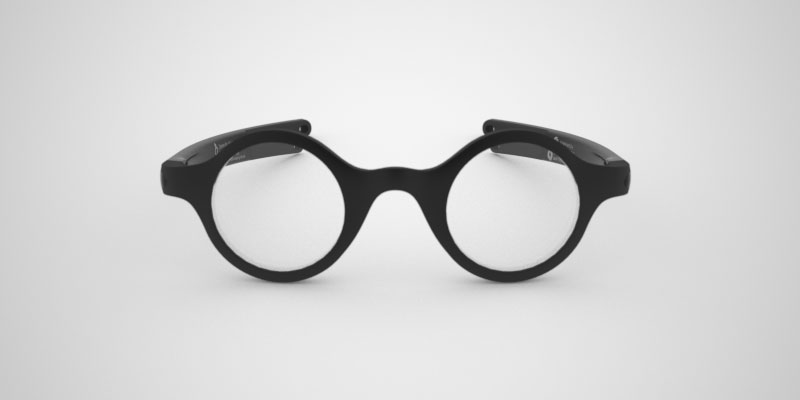
New prototype of self-adjustable glasses will help bring vision correction to children in the developing world
Oxford, UK - Dow Corning, a global leader in silicon-based technology, and the Centre for Vision in the Developing World (CVDW) are jointly announcing a collaboration to create an innovative new way to help correct the vision of children in the developing world. Dow Corning has committed US$3 million of funding and materials expertise to the CVDW as part of this collaboration to launch an initiative called Child Vision.





Please contact us if you would like to partner with us or you would like more information about our work.
Please provide your email address if you would to be kept up to date with CVDW's projects and campaigns:
Phone: +44 (0)3030401043
Address:
Centre for Vision in the Developing World
11 Wood End
Milton Keynes
MK17 0PE
United Kingdom
 You can support our work by making a donation via Paypal: